Ian's Blog | Natural Fibers


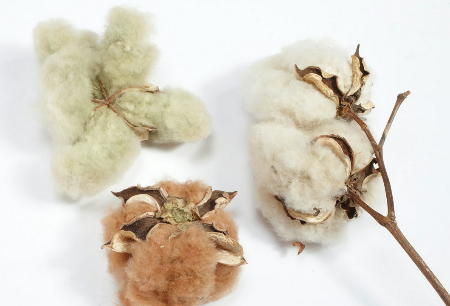
Fiber, yarn, and fabrics are an extremely complicated, nuanced topic, which I can really only scrape the surface of in this format, however, I do want to go over some common fibers. As you can see in the above or left picture, natural cotton, which is native to Mesoamerica, actually comes in a multitude of colors including shades of green, red, brown, and tan. The ubiquitous modern cotton we are used to seeing has been bred to produce white fiber for consistency and has also been selectively bred for longer staple fibers.In fact, in many states it's actually illegal to even grow any of these heirloom or heritage cottons because of concerns over boll-weevil infestations and large-scale economic losses due to hobby farming mistakes. Cotton has a relatively short staple length compared to most other bast fibers, but it is able to be grown in areas where other crops would not grow, such as drylands, and it lends itself towards mass production, since it has a high yield, and it easy to process.
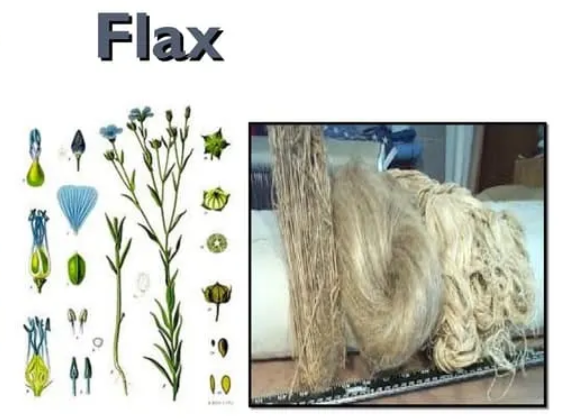
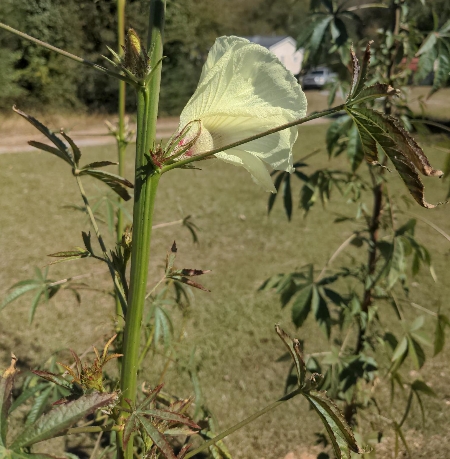
Flax, on the other hand, is a bast fiber, just like hemp and jute, and kenaf (which ive tried growing, has pretty flowers like those of okra or hibiscus, but troublesome looking leaves *picture included) Flax is know for its blue flowers and it comes from what we in English call the flax plant, which is also the source of linseed oil. When they harvest it commercially, they actually rip the entire plant out of the ground. They don't cut it in order to make it so that the bast fibers are as long as they can be, the longer the fiber, the better. Long fibers are easier to process, card, spin, and result in higher yields. They require a lot of processing after harvest, unlike cotton which is basically ready to go once it's ginned, but it is extremely strong and it lends itself towards summer outfits where breath-ability is a primary concern. Because of its strength, it can be woven into very thin, breathable garments, and the fabrics made of it have a tendency to wrinkle badly. It is however relatively expensive these days. Most of the time when people refer to linens, such as for beds, they are really referring to cotton or polyester sheets.
The least common, yet most famous, natural fiber has to be hands down, that of the sheep, that is wool. There are many types of sheep (and other animals) with different types of wool of different staple lengths, with different qualities. Wool is a protein, unlike these other plant fibers which are cellulosic. It has fantastic qualities csuch as superb breathe-ability, and moisture wicking. It also has antimicrobial properties, which make it so that you don't need to go to the cleaners often. and it doesn’t smell. Wool is often blended with other materials such as linen or polyester to make garments cheaper. It makes up for less than 1% of the fiber market for clothing. There's simply just not enough of it to meet demand. Even a basic wool suit could easily run you $400. Enough about the fibers themselves.
Cloth and weaving. There's many different ways to make fabric. Felting is the oldest method, in which you just basically mat down fibers. That's the way old hats are made. Weaving and knitting are two other ways of doing it. Most socks, for example, are knit, and most polos are knit as well. Knitting result in a really stretchy kind of fabric, where woven fabrics tends to be a lot more restrictive in that regard. There is of course other animal fibers such as those made by the silkworm and spiders. Which tends to be, in the case of a silkworm, more delicate. In the case of aramids, which is some spider silk, extremely durable, such that they're even used in body armor. There are different trade names such as Pima and Supima when it comes to cotton for high quality. Long ultra long staple cotton, for extremely soft shirts are made from it. Wools are graded using a “super” system, which is a way of determining the fineness and softness of wool, which varies greatly. Cashmere, for example, is one of those wools which is famous for being very soft.
The important thing is to be mindful of the fabric in the garments that you are purchasing. What is it? What is its strength? Cotton, for example, is extremely moisture-absorbing, so you wouldn't want to take a swim in a cotton t-shirt or jeans for example. In addition to that, pay attention to the type of yarn being used, pay attention to the knit or weave, which can also contribute to the aesthetic and the utility even the durability of a garment. Go with what is most comfortable for you, considering the climate in which you live. Wool is famous for being temperature regulating. Thick wool can be very warm or thin wool can even be worn in the tropics. The important thing is to be mindful and know that the type of fiber, weave, knit, and the quality of the workmanship also matter, and can greatly change how a given garment performs.
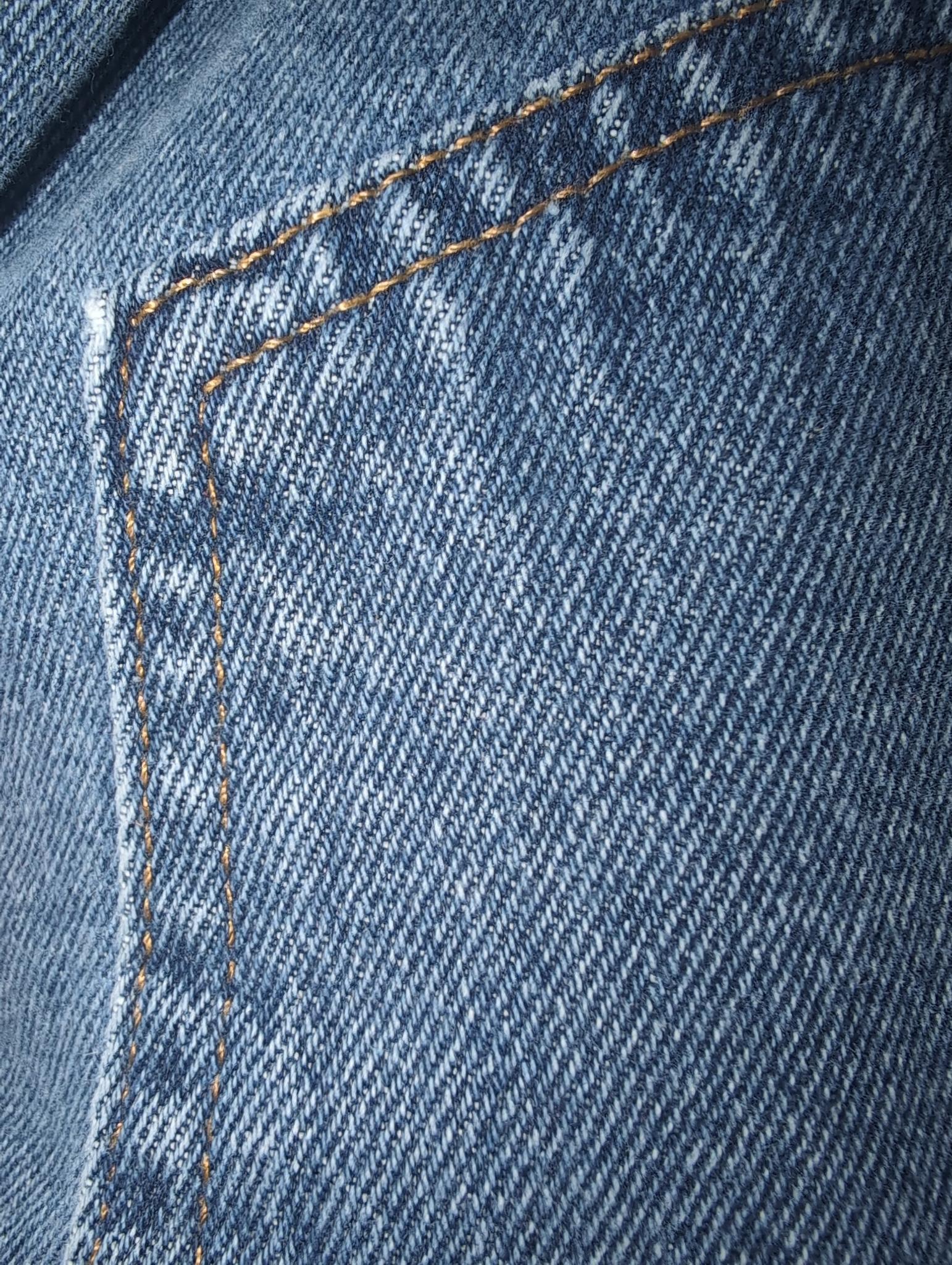
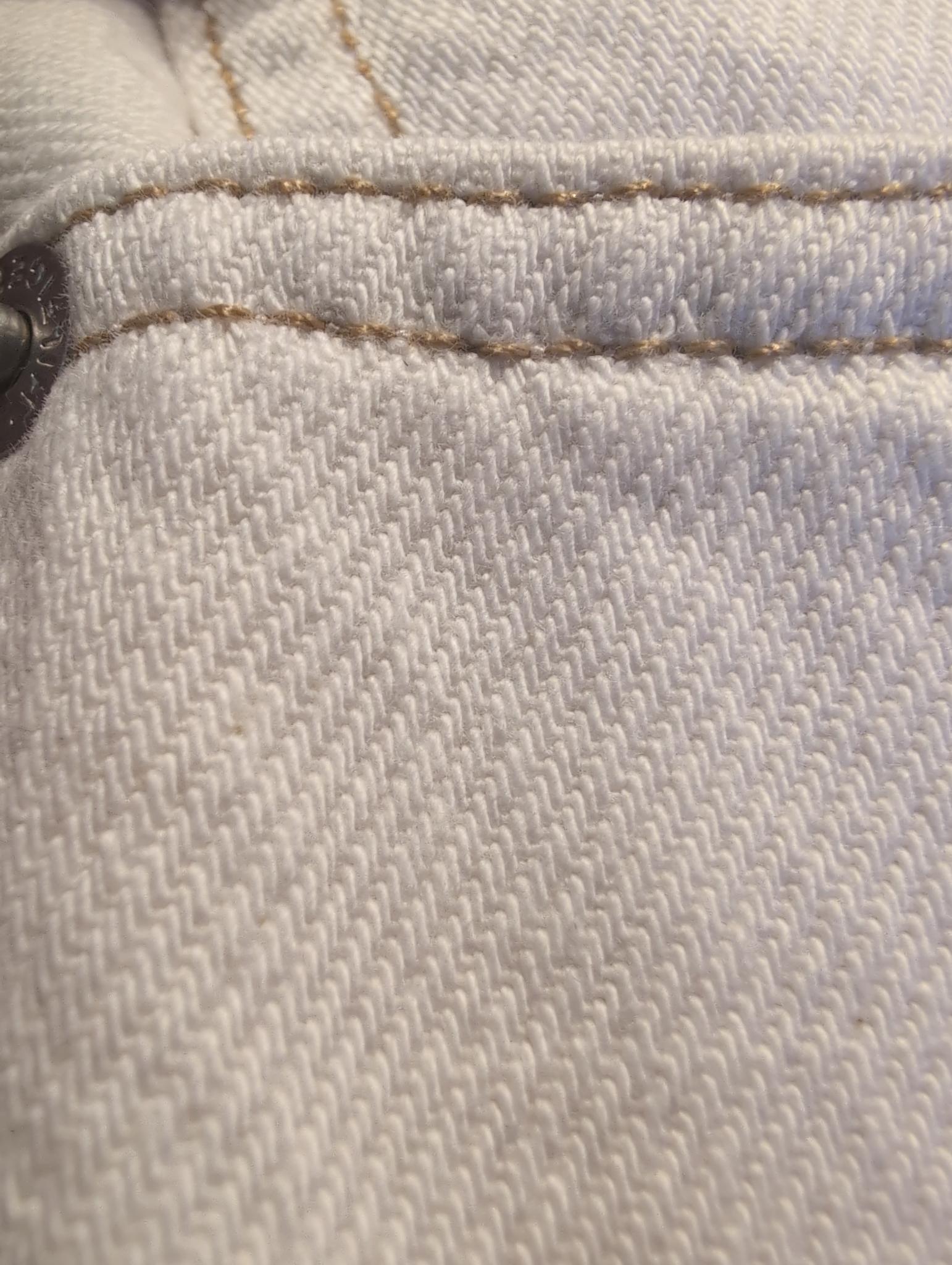
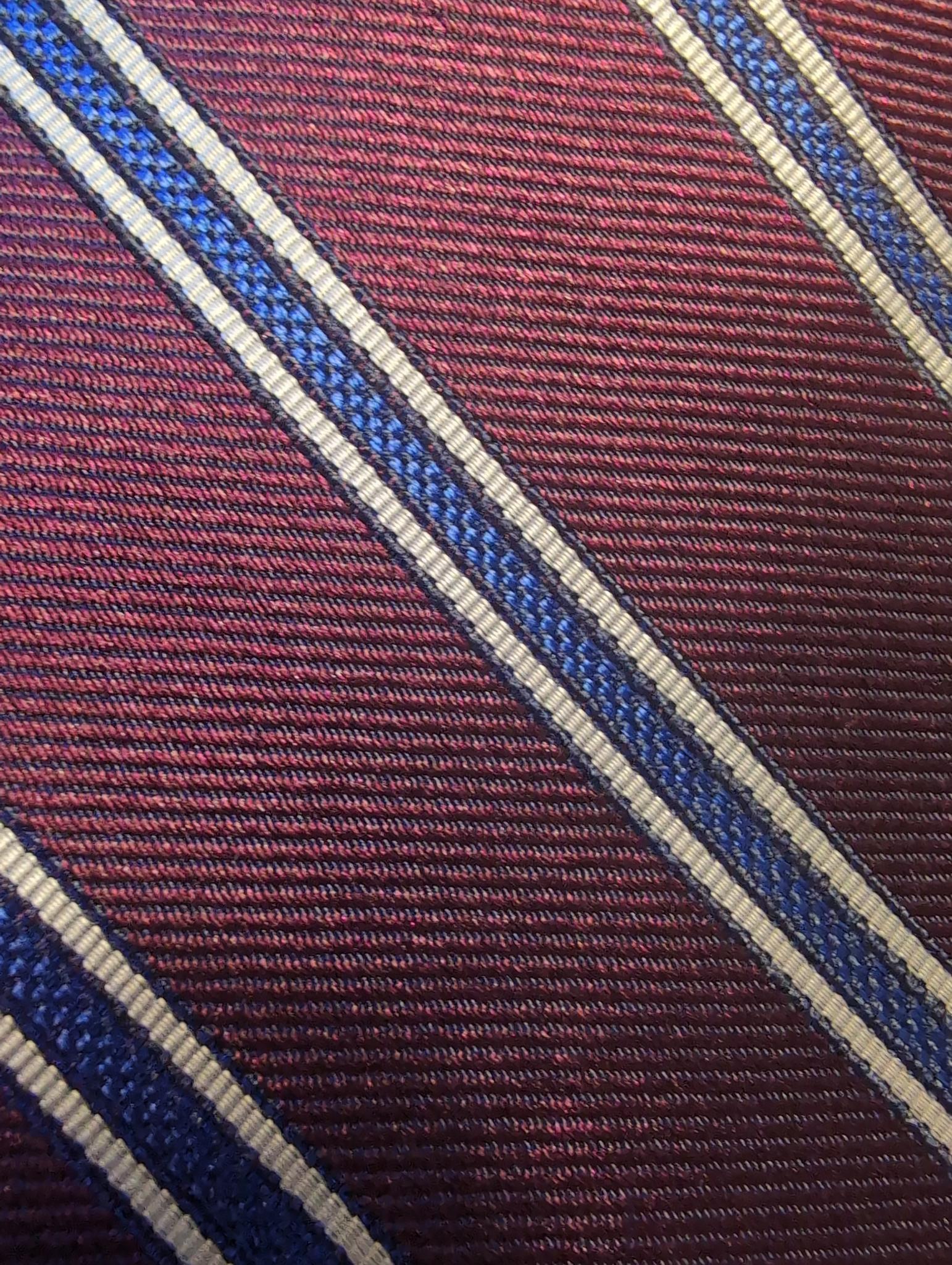
The above blue and white denims are both in a heavy, durable, stain resitant twill weave. The white is actually undyded cotton which is a shade called Ecru, which is a slight off-white. The red silk tie has fancy embroidered pattern in blue and white between the main twill woven body of the red silk.